A medida que la demanda mundial de envases sostenibles y con barreras eficientes continúa aumentando, las latas siguen siendo una de las soluciones de envasado más confiables y reciclables para alimentos, bebidas, productos químicos e industriales. A diferencia de las alternativas de plástico y papel, los envases de hojalata ofrecen una resistencia al calor superior, un sellado hermético y un rendimiento de conservación a largo plazo, lo que impulsa un crecimiento constante en la industria de los envases metálicos. Este mercado en expansión ha elevado estándares más altos para los equipos de fabricación de latas, que definen la eficiencia de la producción, la consistencia del producto y la calidad del empaque final. Las líneas modernas de fabricación de latas han evolucionado desde simples dispositivos mecánicos hasta sistemas automatizados altamente integrados, formando la base central de la producción en masa de latas comerciales.
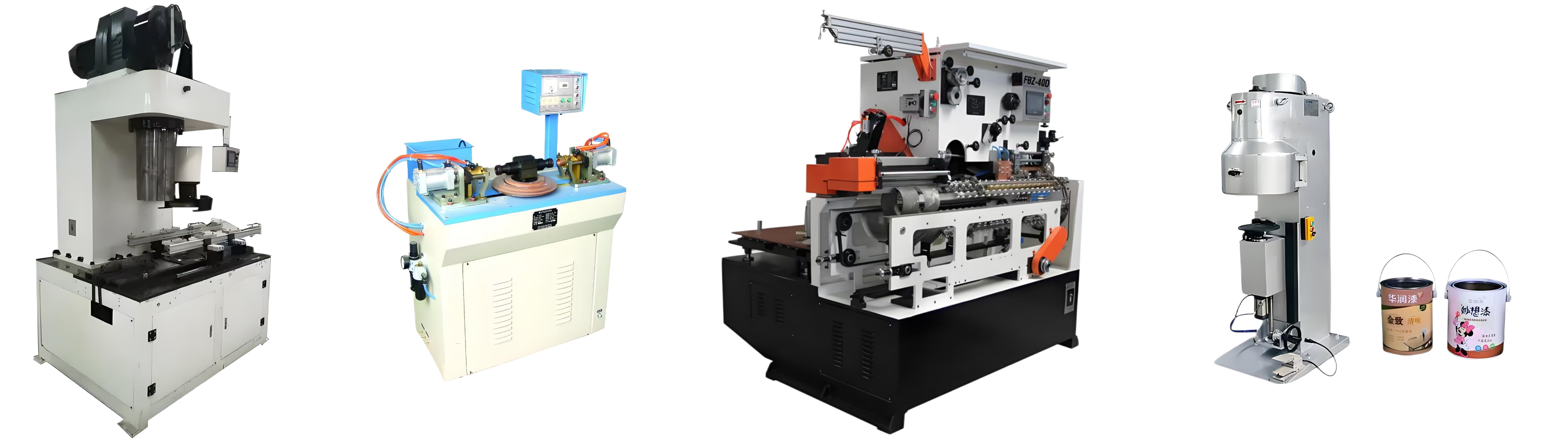
Los equipos de fabricación de latas se dirigen principalmente a dos estructuras de productos principales: latas estiradas y planchadas de dos piezas y latas soldadas de tres piezas, que cubren contenedores de hojalata redondos, cuadrados e irregulares. Los principales materiales de producción adoptados por los equipos estandarizados son la hojalata electrolítica de calidad alimentaria y el acero sin cromo y sin estaño (TFS), que presentan compatibilidad con revestimiento anticorrosión y excelente ductilidad. El flujo de trabajo de fabricación completo consta de desenrollado automatizado del material, corte de piezas en bruto de precisión, formación del cuerpo, soldadura de alta frecuencia, curado de revestimientos internos y externos, bridas, doble costura y pruebas de fugas al vacío. Cada módulo de equipo está sincronizado con precisión para eliminar errores dimensionales y defectos estructurales en las latas terminadas.
Múltiples factores críticos determinan la calidad operativa y la estabilidad de producción de los equipos de fabricación de latas. En primer lugar, la precisión de corte de las máquinas troqueladoras servoaccionadas afecta directamente la uniformidad posterior de la costura de soldadura; pequeñas desviaciones dimensionales provocarán un sellado débil o riesgos de fugas. En segundo lugar, la estabilidad del sistema de soldadura de alta frecuencia es fundamental, ya que los parámetros de corriente inconsistentes provocan líneas de soldadura desiguales y una menor resistencia a la presión del cuerpo de la lata. En tercer lugar, el control de la temperatura del equipo de curado de revestimientos es muy importante: una temperatura inadecuada dañará el revestimiento protector, provocando oxidación y contaminación de los productos envasados. Además, la velocidad de sincronización mecánica entre los módulos de cierre y formación debe coincidir con el ritmo de producción para evitar la deformación del cuerpo de la lata.
La selección de proveedores profesionales es esencial para el funcionamiento estable a largo plazo de las líneas de producción de latas. Los proveedores de equipos confiables deben ofrecer soluciones integradas que abarquen precisión mecánica, sistemas de control eléctrico y servicios de calibración posventa. Los criterios de selección básicos incluyen la estabilidad operativa del equipo, la compatibilidad con diferentes espesores de hojalata, el nivel de consumo de energía y la capacidad de personalización para latas de formas especiales. Los proveedores calificados también brindan procesos de depuración estandarizados y orientación regular sobre el mantenimiento de componentes, lo que reduce efectivamente las tasas de fallas de producción y extiende la vida útil de los equipos.
A pesar de su aplicación industrial madura, el sector de equipos de fabricación de latas todavía enfrenta importantes puntos débiles en la industria. Las líneas semiautomáticas tradicionales dependen de la intervención manual para la inspección de defectos, lo que da como resultado una baja eficiencia y altas tasas de error. Los equipos automatizados de alta velocidad suelen requerir una gran inversión inicial, lo que crea barreras de entrada para los pequeños y medianos fabricantes de envases. Además, el funcionamiento con cargas elevadas a largo plazo provoca fácilmente el desgaste de las matrices de conformado y los componentes de soldadura, lo que lleva a una degradación gradual de la precisión de la producción y a un aumento de los costos de mantenimiento. Además, los ajustes frecuentes de las especificaciones de materiales requieren una adaptación flexible del equipo, que muchas líneas de producción convencionales no pueden soportar de manera eficiente.
Las latas producidas con equipos de fabricación avanzados se aplican ampliamente en diversos escenarios. En la industria alimentaria, se utilizan latas selladas de alta precisión para frutas, verduras y comidas listas para comer enlatadas para prolongar la vida útil sin conservantes químicos. En la industria química, los contenedores de hojalata de paredes gruesas fabricados con equipos profesionales almacenan de forma segura pintura, lubricantes y productos en aerosol. Los envases de productos básicos diarios, como latas de té y latas de regalo, también adoptan equipos refinados de fabricación de latas para garantizar una apariencia uniforme y durabilidad estructural. La práctica industrial demuestra que la producción de equipos estandarizados reduce efectivamente los riesgos de seguridad del embalaje y mejora la competitividad del mercado de productos.
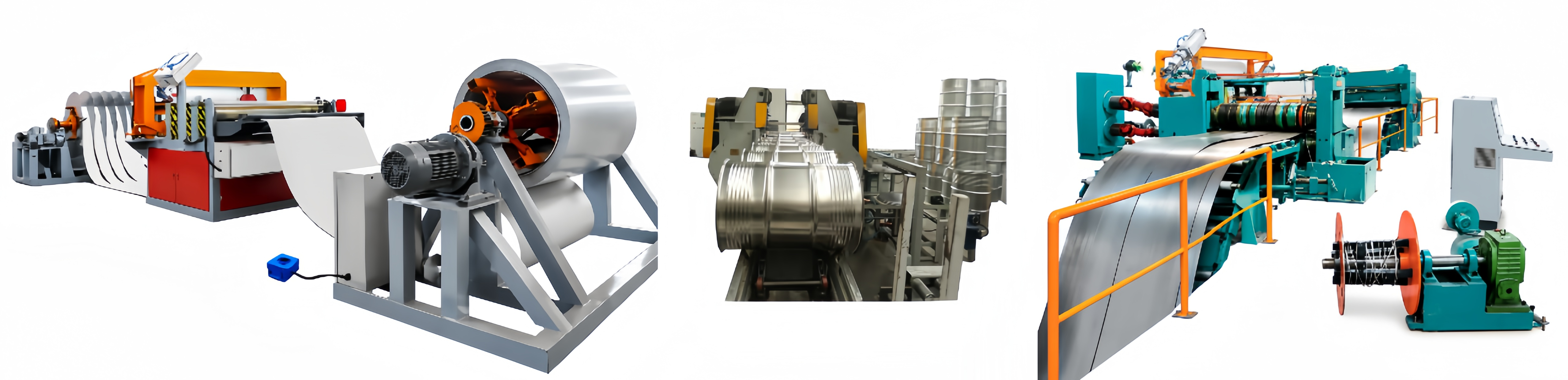
De cara al futuro, los equipos de fabricación de latas presentan tres tendencias de desarrollo claras. En primer lugar, la digitalización inteligente se está acelerando, con la inspección visual de IA y módulos de monitoreo de datos en tiempo real integrados en las líneas de producción para realizar la identificación automática de defectos y el ajuste de parámetros. En segundo lugar, el ahorro de energía y la optimización de las bajas emisiones de carbono se han convertido en una dirección central de mejora; Los equipos de nueva generación reducen la pérdida de calor en los procesos de curado y reducen el consumo general de energía. En tercer lugar, el diseño modular flexible se está popularizando gradualmente, lo que permite que una línea de producción cambie entre múltiples tipos de latas y especificaciones para cumplir con los pedidos personalizados del mercado. Estas actualizaciones tecnológicas promoverán aún más el desarrollo de alta calidad de la industria del embalaje metálico.
En conclusión, el equipo de fabricación de latas es un sistema de ingeniería sistemático que integra maquinaria de precisión, control automático y tecnología de materiales. Su iteración tecnológica y mejora de la calidad impulsan directamente la mejora de los productos de embalaje metálico. A medida que aumentan las demandas del mercado en materia de seguridad, sostenibilidad y personalización, los equipos inteligentes, eficientes y flexibles para la fabricación de latas se convertirán en la opción principal de la industria, lo que respaldará el desarrollo sostenible de la cadena de suministro mundial de envases de hojalata.
Parámetros técnicos básicos del equipo de fabricación de latas
| Categoría de parámetro | Nombre del parámetro | Especificación de parámetros | Notas |
|---|
| Especificación aplicable | Diámetro de barril aplicable | φ350~600mm | Especificaciones estándar: φ560/571,5 mm |
| Especificación aplicable | Altura del barril aplicable | 250~1000 mm | Especificaciones estándar: 810~950 mm |
| Especificación aplicable | Espesor de hoja aplicable | 0,5~1,5 mm | Espesor máximo de 2,5 mm disponible para modelos parciales |
| Especificación aplicable | Altura de la costilla | 15~25mm | Ajustable continuamente |
| Rendimiento central | Presión de trabajo hidráulica | 7~12MPa | Presión del sistema de accionamiento principal |
| Rendimiento central | Presión del sistema neumático | 0,3 MPa | Presión del sistema de acción auxiliar |
| Rendimiento central | Eficiencia de producción | Modelo de doble cara: 400~600 piezas/hora; Modelo unilateral: 200 piezas/hora | Probado con hojas de especificaciones estándar |
| Energía y electricidad | Potencia del motor | 11kW~30kW | Valor exacto ajustado según modelo de equipo y espesor de chapa procesada. |
| Energía y electricidad | Fuente de alimentación | 380V / 50Hz, trifásico | corriente alterna industrial |
| Información básica del equipo | Dimensiones generales | Aprox. 4000×800×1600mm | Largo × Ancho × Alto, excluidas las tuberías de conexión externas |
| Información básica del equipo | Peso neto | Aprox. 5000 kilos | Basado en el modelo de configuración estándar |





 English
 Pусский
 Français
 العربية



 Teléfono