Equipos de fabricación de latas
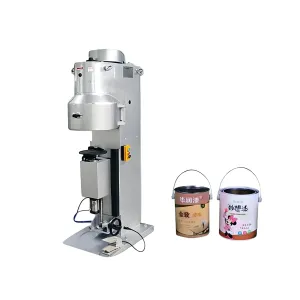
Tin can manufacturing equipment refers to the specialized machinery used to produce metal cans for food, beverages, aerosol products, and other packaged goods. This equipment is designed to handle the full production process, from shaping and cutting metal sheets to forming, sealing, and inspecting finished cans. It plays a crucial role in modern packaging because it helps manufacturers achieve high production speed, consistent product quality, and reliable sealing performance.The production of tin cans usually begins with metal coil feeding systems. These systems supply sheets of tinplate, tin-free steel, or aluminum into the line. The material is then cut into precise shapes by a blanking or cutting machine. In many production lines, the cut sheets are formed into cylindrical bodies through a body-making machine. This machine rolls the metal into a round shape and welds or seames the edges together, creating a strong and durable can body.After the body is formed, the next step is often flanging, necking, or beading, depending on the can design. Flanging equipment prepares the edges for lid attachment, while necking machines reduce the diameter of the can opening to improve material efficiency and compatibility with closures. Beading machines add rings or grooves that increase the strength of the container and help it withstand pressure during filling and transportation.For three-piece cans, the body is usually sealed by side seam welding or soldering. For two-piece cans, drawing and ironing equipment is used to form the can body from a single piece of metal. In beverage can production, high-speed draw and wall-ironing machines are especially important because they create lightweight containers with excellent structural integrity. These systems must operate with precision to maintain uniform wall thickness and smooth surfaces.Lid and end-making machines are another important part of the production line. They form tops and bottoms with easy-open features, score lines, and sealing compounds. These components are essential for ensuring that the can remains airtight and safe for storage. Seaming machines then attach the lids to the can body with a tight double seam, which is critical for preserving freshness and preventing leakage.Modern tin can manufacturing equipment also includes cleaning, coating, drying, and printing systems. Cleaning machines remove oil and dust from metal surfaces, while coating units apply protective internal and external layers. Printing machines add branding, product information, and decorative designs. These steps improve both product appearance and corrosion resistance.Quality control equipment is also widely used in the production process. Vision inspection systems, leak testers, dimensional measuring devices, and seam analyzers help detect defects and ensure that every can meets strict standards. Automation and digital monitoring have made the equipment more efficient, reducing labor costs and increasing output consistency.Overall, tin can manufacturing equipment is essential for producing safe, durable, and attractive metal packaging. Its advanced mechanical and automated functions support large-scale production while meeting the demanding requirements of food, beverage, and industrial packaging markets.
Producto
Categoría:
Método de visualización:
-
Equipos de fabricación de latas
Su clasificación:
Línea de producción de tambores de acero.
Vistas:
169
Número:
Tiempo de liberación:
2026-06-23 16:43:29
1. Control hidráulico + PLC, operación simple: Accionamiento hidráulico para extensión y retracción del bloque de expansión, lo que resulta en un funcionamiento estable y de bajo impacto; La pantalla táctil del PLC Siemens permite configurar las posiciones, la cantidad y la profundidad de las nervaduras con un solo botón.
2. Compatible con múltiples especificaciones: Aplicable a diámetros de barril de φ350~600 mm, alturas de barril de 250~1000 mm y espesores de 0,5~1,5 mm, manejando barriles de 18L~250L en una sola máquina; admite expansión de nervaduras de un solo lado o de doble cara.
3. Excelente calidad de conformado: la extrusión estática de punzón segmentado rígido produce contornos de nervaduras de anillo completo, altura ajustable de 15 a 25 mm, buena redondez del cilindro y resistencia significativamente mejorada.
4. Compacto y duradero, de fácil mantenimiento: toda la máquina pesa aproximadamente
5 toneladas y ocupa un área pequeña; los bloques de expansión están tratados térmicamente para resistir el desgaste y los rieles guía tienen lubricación centralizada, lo que requiere un mantenimiento diario mínimo.
Noticias
Categoría:
¡Sin resultados de búsqueda!
Caso
Categoría:
¡Sin resultados de búsqueda!
Video
Categoría:
¡Sin resultados de búsqueda!
Descargar
Categoría:
¡Sin resultados de búsqueda!
Reclutamiento
Categoría:
¡Sin resultados de búsqueda!
Productos recomendados
¡Sin resultados de búsqueda!





 English
 Pусский
 Français
 العربية



 Teléfono